Tier 01
Superior Project
Exceptional demonstration of all competencies with innovative approaches and sophisticated execution.
Next Idea Matters accreditation transforms your innovation project into verifiable academic credentials through a rigorous, technology-enabled process that ensures quality, authenticity, and individual accountability.
Here's what participating in NIM looks like for students
4–12 Students
Collaborate with peers to tackle real-world challenges together
2 Review Cycles
Your Track's standard cycle or Accelerated Review in the other cycle
Step by Step
Follow NIM's structured guidance and document your progress
Choose from nine tracks, including Sustainability Innovation, Entrepreneurial Innovation, and Design Innovation
Pick a specific topic within your track that solves a real problem
Follow NIM's requirements and milestones to develop your project
Record your work in NIM's online system for transparent assessment
Team members collaborate through the NIM system: each team shares one Git repository,
and every member contributes to the team project through their own account.
Each team works in a shared repository where all work is documented, tracked, and version-controlled.
Every team member contributes through their personal account, ensuring clear attribution of individual work.
All commits, changes, and iterations are automatically logged with timestamps for complete transparency.
Research, designs, reflections, and decisions are all captured as part of your project portfolio.
The system performs the primary assessment, applying published granular rubrics consistently across submitted project evidence.
Timestamped records and commit history provide traceable evidence for reviewing process, iteration, and individual contributions.
This solves the fundamental problem of team projects: clearly attributing individual contributions and verifying genuine effort.
Our Multi-Layer Rubric System ensures fair, objective, and transparent assessment
Traditional project assessments use broad 2-layer rubrics that rely on subjective judgment. Next Idea Matters employs 4-layer granular rubrics that:
Into specific, measurable elements
Through precise criteria at each layer
For consistency and scalability
For student preparation and improvement
Layer 1: Core Competency (e.g., "Research Quality")
↓
Layer 2: Dimension (e.g., "Stakeholder Engagement")
↓
Layer 3: Specific Element (e.g., "Interview Protocol Design")
↓
Layer 4: Observable Evidence (e.g., "Questions demonstrate understanding of user context")
Every team uses a Git repository to:
Our assessment system:
AI powers the primary assessment. Dedicated NIM assessment staff review the assessment and submitted evidence before NIM issues the official result.
This solves the fundamental problem of team projects: clearly attributing individual contributions and verifying genuine effort.
Review is available year-round, with two formal review periods.
Both cycles use the same assessment standards and achievement tiers. Each Track has one standard cycle; students may use Accelerated Review ($420) to submit in the other cycle, or register one cycle ahead at the Early Bird rate ($260) while keeping the standard submission timeline. View the Track calendar.
Accreditation is awarded in four achievement tiers based on demonstrated competency mastery.
Exceptional demonstration of all competencies with innovative approaches and sophisticated execution.
Strong competency achievement with consistent quality and depth across project components.
Solid competency demonstration meeting rigorous standards with clear evidence of learning.
Competency foundations established with room for further development.
Achievement tiers reflect quality of work, not payment level. All students are assessed against the same rigorous standards.
Official certificate indicating the achievement tier and Track, issued when an achievement tier is awarded.
Comprehensive breakdown of specific competencies achieved with proficiency levels across all assessed dimensions.
Personalized letter highlighting your demonstrated capabilities based on documented evidence from your project work.
Comprehensive digital portfolio page showcasing your project outcomes, individual contributions, and competency demonstrations.
All evaluation criteria are fully disclosed before you begin. Unlike competitions where judging criteria are opaque, NIM provides complete access to rubrics so you can:
This transparency transforms projects from guesswork into structured learning with defined targets.
Understand the standards first. NIM student and adviser guide bundles for all 9 NIM innovation tracks are now open on LearningFirst, helping students and advisers turn review criteria into clearer evidence, stronger project decisions, and better revision before submission.
For Students
Student guides across all NIM tracks
Understand what each standard requires before building and submitting project work.
Why get this bundle: It helps students turn the standards into a practical project checklist, so they know what evidence to prepare and what gaps to fix before review.
The student guides explain the assessment criteria in practical terms: what each standard means, what evidence the assessment requires, which mistakes weaken a submission, and how to improve project work before final review.
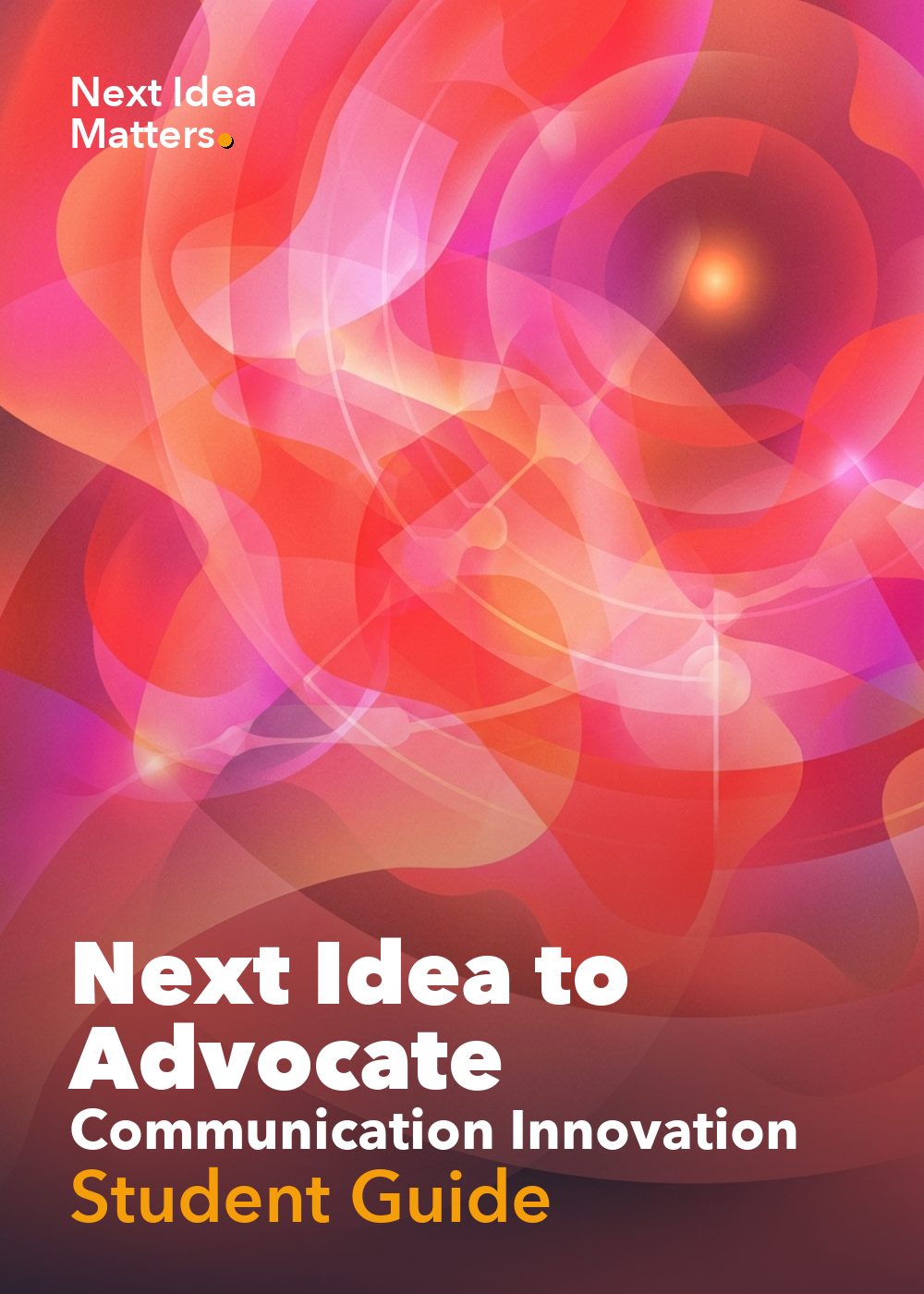
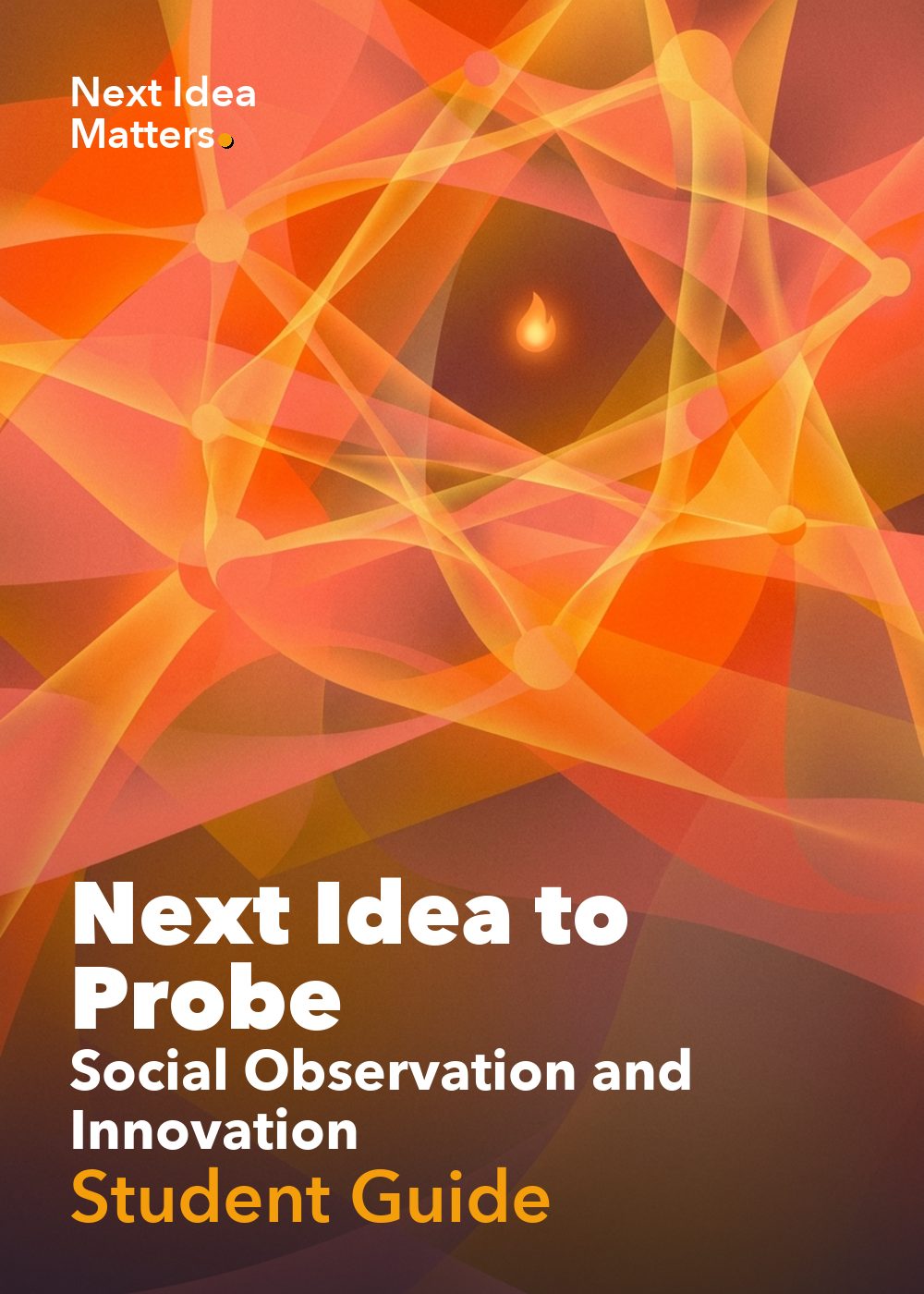
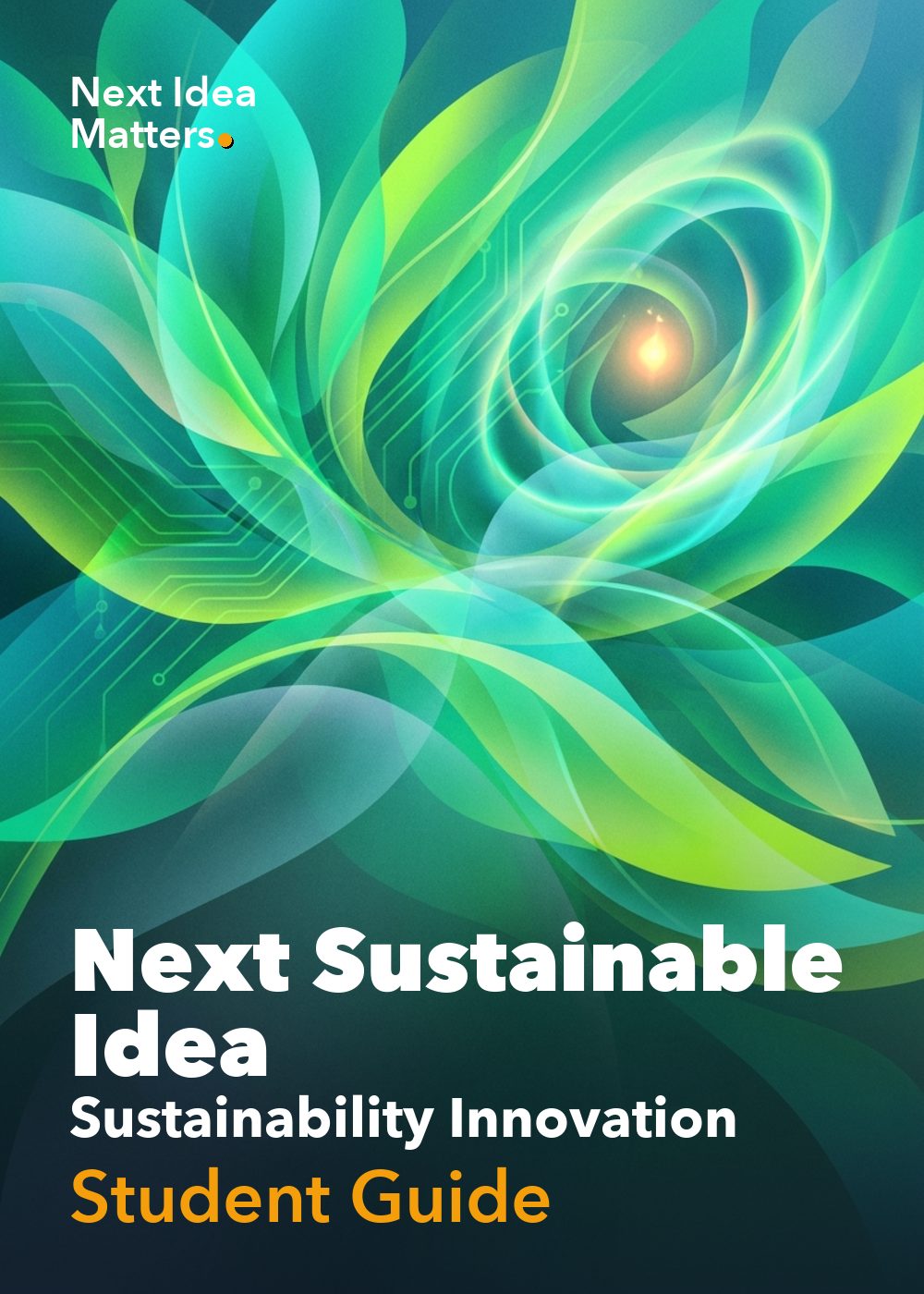
Sample covers shown. The complete bundle includes all 9 track-specific student guide collections.
For Advisers
Adviser guides across all NIM tracks
Interpret the standards clearly so student guidance can be specific, useful, and evidence-based.
Why get this bundle: It gives advisers track-specific prompts and checkpoints for explaining standards, diagnosing weak evidence, and guiding student revisions.
The adviser guides help teachers and mentors interpret NIM standards, ask better advising questions, identify missing evidence, and guide students toward work that can be assessed with confidence.
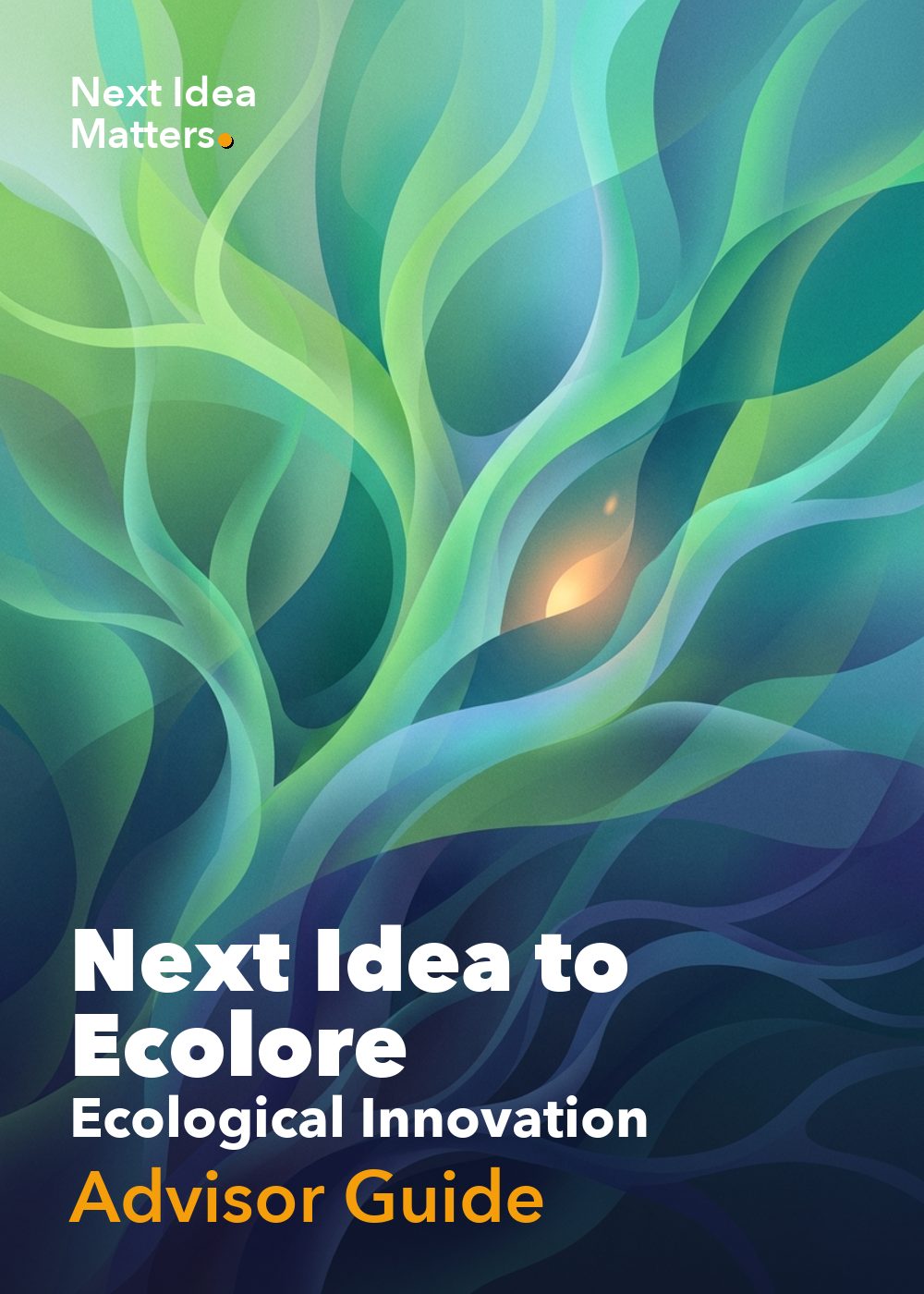
Sample covers shown. The complete bundle includes all 9 track-specific adviser guide collections.
The NIM student and adviser resource bundles are provided at no additional cost as LearningFirst resources. Access requires an active LearningFirst platform subscription, which also unlocks other available LearningFirst materials. If you already subscribed through EAE or another EAE competition, your existing subscription may already provide access, and LearningFirst subscriptions can be cancelled at any time.
Explore our tracks and start building verifiable credentials